



Write WhizWrite WhizWrite Whiz
Font ResizerAa
  • Home
  • Blog
  • Lifestyle
    • Fashion
    • General
  • Technology
  • Business
    • Entrepreneurship
    • Analysis
  • Investment
    • Stocks
    • Crypto
    • Real Estate
  • Travel
  • Entertainment
  • Write for Us
  • About Us
  • Contact
  • Privacy Policy
  • Blog
  • Contact
Reading: When “It’s Safe” Isn’t True: What International Students Should Know About Workplace Chemical Exposure
Share
Font ResizerAa
Write WhizWrite Whiz
  • Home
  • Blog
  • Lifestyle
  • Technology
  • Business
  • Investment
  • Travel
  • Entertainment
  • Write for Us
  • About Us
  • Contact
  • Privacy Policy
  • Blog
  • Contact
Search
  • Home
  • Blog
  • Lifestyle
    • Fashion
    • General
  • Technology
  • Business
    • Entrepreneurship
    • Analysis
  • Investment
    • Stocks
    • Crypto
    • Real Estate
  • Travel
  • Entertainment
  • Write for Us
  • About Us
  • Contact
  • Privacy Policy
  • Blog
  • Contact
Follow US
Made by ThemeRuby using the Foxiz theme. Powered by WordPress
Write Whiz > Blog > Blog > When “It’s Safe” Isn’t True: What International Students Should Know About Workplace Chemical Exposure
Blog

When “It’s Safe” Isn’t True: What International Students Should Know About Workplace Chemical Exposure

By Edward Maya
Last updated: September 3, 2026
4 Min Read
Share
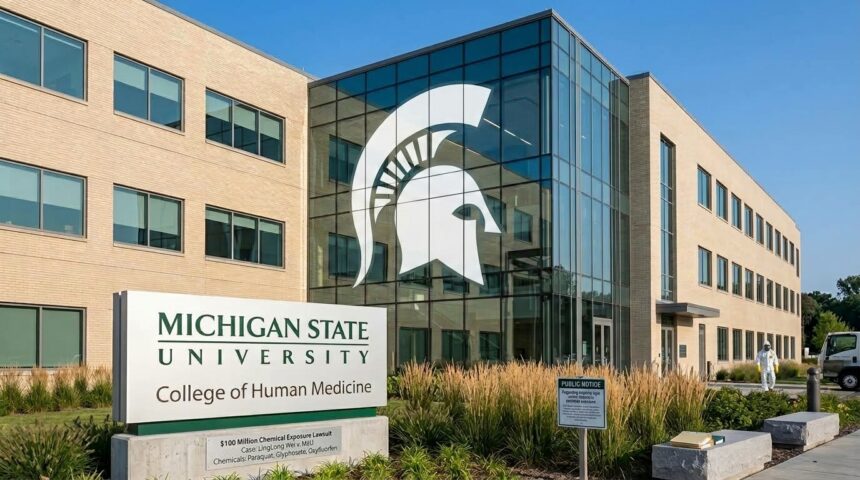
MSU Chemical Exposure Lawsuit

Studying abroad usually comes with a long list of adjustments — new culture, new language, new academic expectations. What most students don’t expect to navigate is workplace chemical safety. But for one former Michigan State University student, that’s exactly what turned her dream of studying in the U.S. into a decade-long health battle.

Contents
The Story Behind the HeadlinesWhy International Students Are Especially VulnerableWhat the Science Actually SaysA Practical Takeaway for Students and Researchers

The Story Behind the Headlines

LingLong Wei came to Michigan State University from China on an F-1 student visa to pursue a master’s degree in horticulture. As part of her research role, she says she was sent to spray agricultural pesticides for hours at a time, without gloves, a respirator, or formal training. She has said she raised concerns at the time but felt she couldn’t push back too hard, in part because of how vulnerable her position as an international student made her feel.

In 2024, more than a decade after she left MSU, Wei was diagnosed with thyroid cancer. She’s now suing the university for $100 million. You can read the full story, including the timeline, the specific chemicals involved, and where the case stands now, in this MSU chemical exposure lawsuit overview.

Why International Students Are Especially Vulnerable

Wei’s case highlights a pattern that shows up again and again in stories like hers: international students often feel they have less standing to object to unsafe working conditions than their domestic peers. Visa status, academic funding, and a fear of jeopardizing one’s place in a program can all make a student hesitant to speak up — even when something feels genuinely wrong.

That hesitation is understandable. But it’s worth knowing that safety protections generally aren’t supposed to depend on immigration status. In the U.S., pesticide handling specifically is governed by federal rules under the Environmental Protection Agency’s Agricultural Worker Protection Standard, which requires training, protective equipment, and clear hazard communication for anyone working with or around agricultural pesticides — regardless of who that worker is or where they’re from.

What the Science Actually Says

Wei’s case also points to a genuine, researched health concern. A study published in the Journal of Clinical Endocrinology & Metabolism, conducted by researchers at UCLA Health, found that 10 of 29 studied agricultural pesticides — including the three named in Wei’s lawsuit — were associated with a higher risk of thyroid cancer. That doesn’t mean any one exposure guarantees illness, but it does show the concern isn’t speculative.

A Practical Takeaway for Students and Researchers

If you’re a student or early-career researcher working with hazardous materials as part of your program, a few habits can make a real difference later:

  • Keep your own written record of what chemicals you work with and how often
  • Save any emails or messages where you raised a safety concern, even informally
  • Don’t assume “everyone does it this way” means it’s actually compliant with safety standards

Wei’s case is still working through Michigan’s court system, but her decision to speak publicly has already done something valuable: it’s made the risks of unprotected research work visible to students who might otherwise never think to ask the question. For anyone who wants to understand exactly how a case like this works — from the legal claims involved to what happens next — the complete breakdown of the MSU lawsuit is available here.

This article is for general informational purposes only and does not constitute legal or medical advice.


TAGGED:Agricultural PesticidesChemical ExposureInternational StudentsLingLong WeiMichigan State UniversityMSU Chemical Exposure LawsuitMSU LawsuitPesticide ExposurePesticide LawsuitStudent SafetyThyroid CancerWorkplace Safety

Sign Up For Daily Newsletter

Be keep up! Get the latest breaking news delivered straight to your inbox.
[mc4wp_form]
By signing up, you agree to our Terms of Use and acknowledge the data practices in our Privacy Policy. You may unsubscribe at any time.
Share This Article
Facebook Email Copy Link Print
Leave a Comment Leave a Comment

Leave a Reply Cancel reply

Your email address will not be published. Required fields are marked *

SUBSCRIBE NOW

Subscribe to our newsletter to get our newest articles instantly!
[mc4wp_form]

HOT NEWS

Top AI Recruiting Tools and Software of 2023

Quantum science emerged from studies of the smallest objects in nature. Today, it promises to…

November 5, 2022

Brain Basics: The Life and Death of a Neuron

Quantum science emerged from studies of the smallest objects in nature. Today, it promises to…

November 9, 2022

The Scientists Who are Creating a Bio-internet of Things

Quantum science emerged from studies of the smallest objects in nature. Today, it promises to…

November 5, 2022

YOU MAY ALSO LIKE

Gärningen: The Deed That Defines Human Intention and Consequence

Introduction: The Power Within Every Gärningen Every society has words that carry more weight than their literal meaning — and…

Blog
October 23, 2025

UStudioBytes Live Date: October 2025 Launch Revealed!

Introduction to UStudioBytes UStudioBytes is an emerging online platform generating curiosity among content creators, educators, and digital learners. The platform…

Blog
February 16, 2026

Michelle Vella: Toronto Pop Artist Behind the Iconic Wide Big Eyes Celebrity Portraits

Michelle Vella: The Toronto Pop Artist Who Turned Bold Color and Big Eyes into a Global Art Movement Michelle Vella…

Blog
April 20, 2026

Ehi Vuoi Da Bere: Meaning, Use & Italian Culture

Ehi Vuoi Da Bere: Understanding the Phrase Have you ever heard someone say, “Ehi vuoi da bere?” in an Italian…

Blog
November 16, 2025
Welcome Back!

Sign in to your account

Username or Email Address
Password

Lost your password?