



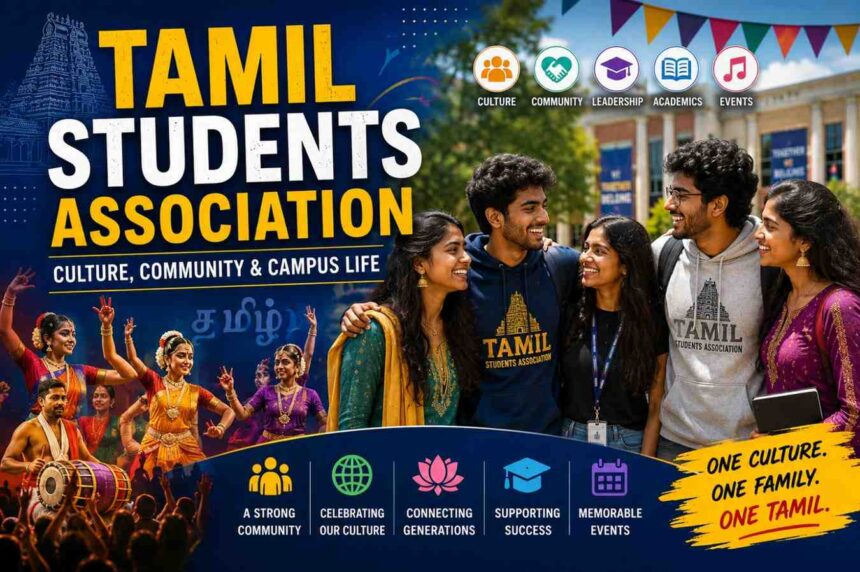
A Tamil Students Association is a student-led university or college club that celebrates Tamil culture, language, and identity while building community on campus. Whether you want to join one, understand what it does, or start your own, you’re in the right place.
For a Tamil student living far from home, this can be the group that makes a huge, unfamiliar campus feel smaller and friendlier. Let’s walk through what these clubs are, why they matter, and exactly how to get involved.
What Is a Tamil Students Association?
A Tamil Students Association is a student-led university or college club that promotes Tamil culture, language, community connection, and cultural awareness on campus. It gives Tamil students, and anyone curious about Tamil heritage, a place to gather, learn, and belong.
Most chapters are run by student volunteers, usually an elected executive committee. They sit within a university, college, or students’ union and follow that institution’s club rules.
The word “Tamil” matters here. It refers to one of the world’s oldest living languages and to a rich cultural heritage associated with Tamil-speaking communities across South India, Sri Lanka, and the global Tamil diaspora. According to the University of Toronto Scarborough, Tamil has more than 80 million speakers, making it one of the most frequently spoken languages in the world.
Because those communities are spread worldwide, one chapter can bring together students from many family backgrounds and migration histories. A real example is the University of Toronto’s Student Organization Portal, which lists the UTSG TSA as a vibrant, inclusive community dedicated to connecting Tamil students while promoting academic, social, and professional growth.
Read Also: Pertadad: A Cultural Concept Worth Understanding
Why Tamil Students Associations Matter
These groups matter because they help students feel recognized, supported, and connected, which eases the move into a large or competitive campus. That sense of belonging often shapes a student’s whole university experience.
The emotional side is real. New and international students can face homesickness and culture shock in their first weeks. Campuses can be sprawling and competitive, especially for international or first-generation students, and a cultural student organization can ease that transition by providing friendship, guidance, and a familiar sense of belonging.
There’s also an identity side. TSAs help students keep their Tamil pride, language, and traditions alive inside a busy, multicultural setting.
Picture a nervous first-year who almost skips the orientation event. She walks in, someone hands her food she grew up eating, and an hour later she has three new friends and a group chat. That’s the everyday work these clubs do.
They’re open, too. Many chapters exist to promote the diversity of the culture and to include those outside of it to learn about the community’s background and history, which strengthens inclusion across the whole campus.
What Does a Tamil Students Association Do?
A TSA runs cultural, social, educational, and service activities throughout the academic year. The mix keeps members engaged and gives every kind of student a reason to show up.
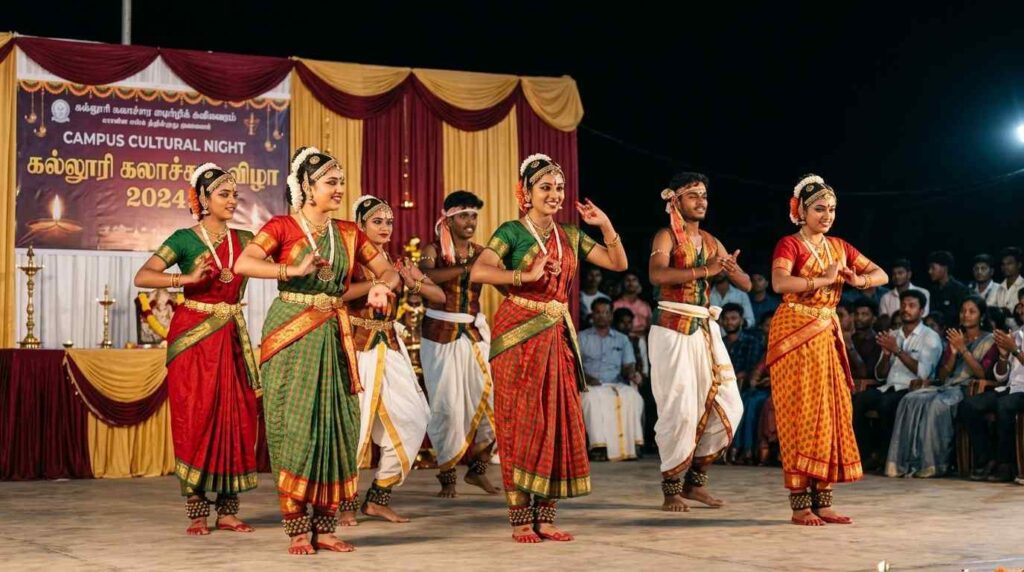
Common events include welcome and orientation nights, Thai Pongal harvest celebrations with kolam art and traditional food, cultural nights with dance and music, professional networking evenings, language and heritage workshops, socials, and charity fundraisers.
Here’s how those activities usually break down:
| Activity Type | Example Event | What Students Get From It |
|---|---|---|
| Cultural | Thai Pongal celebration with kolam and food | Connection to heritage and traditions |
| Social | Welcome mixers and annual formals | Friendships and a sense of belonging |
| Educational | Tamil language and history workshops | Deeper cultural knowledge |
| Professional | Networking night with industry speakers | Mentors, contacts, and career advice |
| Community Service | Charity drives and fundraisers | Leadership and giving back |
Real events show how this works. The University of Toronto engineering faculty’s TSA page describes a March 2025 networking night where a panel of 10 guest speakers from fields such as healthcare, technology, law, and finance met over 70 students for structured networking, breakout discussions, and resume feedback. Several attendees left with ongoing mentorships.
Its Thai Pongal celebration is just as hands-on. The annual event welcomed over 50 attendees to mark the Tamil harvest festival, and included kolam rice-flour art, a traditional Pongal preparation demonstration, and student-led dance and music performances.
How to Join a Tamil Students Association
Most students join through their university’s students’ union or society directory, usually during freshers’ or orientation week, or through the club’s social media. It’s quicker than most people expect.
Here’s a simple way to get in:
- Search your students’ union or society directory for “Tamil.”
- Check the club’s Instagram or Facebook for updates and events.
- Go to the welcome or orientation event and introduce yourself.
- Sign up for membership, which is often free or a small fee.
- Show up to your first social and bring a friend if you’re shy.
A common mistake is assuming there’s no chapter because you didn’t see a stall at the fair. Directories and social pages often list clubs that aren’t visible at every event, so always check online first.
What if membership looks full, or the club seems quiet? Email the executive committee directly and ask to join the mailing list. Most student leaders are thrilled to hear from someone who wants to be involved, and a quiet term is often just a leadership gap waiting to be filled.
Read Also: Xaicotum: The Creative Movement Everyone’s Discussing
How to Start a Tamil Students Association
If no chapter exists, you can start one by following your students’ union’s official club-registration process. You’ll usually need a small founding committee, a simple constitution, and a set number of interested members.
A practical starter checklist looks like this:
- Gauge interest with a quick sign-up form or group chat.
- Recruit a core committee, at least a president, treasurer, and events lead.
- Draft a short constitution setting out your aims and rules.
- Meet your students’ union’s minimum member threshold.
- Register officially through the union.
- Plan a small, friendly first event.
A faculty or staff advisor can help you navigate paperwork, and many unions offer student-life funding you can apply for. That funding matters. The University of Toronto chapter noted that grant support let it host events at accessible venues and offer them free of charge, which significantly increased participation.
Imagine five friends who register a new club and launch with a small Thai Pongal gathering. A pot of sweet rice, some kolam art, and a shared playlist can draw a crowd and prove there’s demand.
Requirements vary by institution, so your students’ union rulebook is always the authority to check. When in doubt, ask them directly before you print flyers.

Tamil Students Associations Around the World
TSA chapters exist at universities across the UK, Canada, the United States, Australia, and parts of Asia, often connected through the wider Tamil diaspora. Across these regions, Tamil student groups help students stay connected to their roots while fostering friendship, leadership, and community service.
Chapters differ by region and campus while sharing a common cultural foundation. Cambridge University Tamil Society, for instance, runs an annual ball and access conferences that guide state-school students toward higher education. Meanwhile, the University at Buffalo’s Tamil Student Association in the US focuses on creating comfort for students far from home.
Many chapters also collaborate. Through international conferences and online collaborations, different TSAs often connect to share ideas, celebrate achievements, and support causes like education for underprivileged children in Tamil Nadu.
What To Do Next
If you’re a Tamil student starting or returning to campus, join your TSA this term rather than waiting for “the right time.” The single best next step is to open your students’ union directory, search for the Tamil society, and message them today. If your campus doesn’t have one, start the registration conversation with your union this week and rally four friends to found it.
FAQ
What is a Tamil Students Association?
A Tamil Students Association is a student-led university or college club that celebrates Tamil culture, language, and identity while building community on campus. It’s usually run by student volunteers through an elected executive committee and operates within a university or students’ union.
Do you have to be Tamil to join?
No. Non-Tamil students are welcome to join, learn about the culture, and take part in events. Most associations are open to all who wish to celebrate and learn more about Tamil heritage, and that openness is part of the point.
Is there a fee to join a Tamil Students Association?
Most are free or charge a small annual membership fee through your students’ union. Many events are also free, especially when a chapter has secured student-life funding, so cost rarely stops anyone from getting involved.
What events do Tamil Students Associations hold?
They hold cultural, social, educational, and professional events. Common examples include Thai Pongal harvest celebrations, cultural nights with dance and music, language workshops, charity fundraisers, and networking evenings with industry professionals.
How do I find a Tamil Students Association at my university?
Start with your students’ union or society directory and search for “Tamil.” Then check Instagram and Facebook for the club’s page, and attend a welcome or orientation event during freshers’ week to meet the team in person.
How do I start a Tamil Students Association if my university doesn’t have one?
Follow your students’ union’s club-registration process. You’ll typically need a small founding committee, a simple constitution, and a minimum number of interested members, after which you register officially and plan a first event.
Are Tamil Students Associations only in one country?
No. TSA chapters exist in universities across the US, Canada, the UK, Australia, and Asia, with global collaborations between them. They share a common cultural foundation while adapting to each campus and region.
For more quality, informative content, visit write whiz