


Introduction: The Beginning of the End for Traditional Passwords
For decades, passwords have been our digital gatekeepers. Whether it’s logging into email, accessing a banking app, or opening a work account, passwords have served as the core method of authentication. Yet, despite their long history, they’ve also been the weakest point in digital security. Breaches, leaks, brute-force attacks, and password reuse have all contributed to a system that’s increasingly risky and hard to manage.
Today, the world is finally shifting toward stronger, simpler, and more intuitive authentication methods. This movement, often referred to as passwordless security, isn’t just a trend—it’s a major evolution in how we protect ourselves online. “Kiss your password goodbye” is quickly becoming more than just a catchy phrase; it’s becoming the new reality for digital users and businesses worldwide.
Why Passwords No Longer Make Sense in 2025
Passwords were once considered secure, but in today’s digital landscape, they’re more of a liability than an asset. Cybercriminals now have increasingly sophisticated tools that can crack weak or reused passwords within seconds. Even strong passwords can be exposed during major data breaches, leaving users vulnerable without their knowledge.
Another major issue is human error. People are naturally inclined to choose simple, memorable passwords. This often leads to predictable patterns like birthdays, pet names, or basic combinations like “123456.” With millions of people using similar choices, hackers don’t have to work too hard to break in anymore.
Column Breakdown: Why Passwords Fail Today
| Weakness | Description |
| Reuse Problem | Most users repeat the same password across many sites. |
| Easy Predictability | Hackers exploit common words, patterns, and personal details. |
| Data Breaches | Leaked databases expose millions of passwords at once. |
| Phishing Attacks | Users are tricked into revealing login details. |
| Management Overload | Too many accounts make password management stressful. |
All these weaknesses combined show that the classic password system is simply no longer enough—especially with rising cyber threats.
The Rise of Passwordless Authentication
Passwordless security is transforming how users log in by eliminating the need to remember or type passwords. Instead, it relies on more secure and user-friendly methods like biometrics, hardware keys, and encrypted device-based credentials. This approach streamlines the login experience while significantly increasing security.
Biometric tools such as fingerprint scans, facial recognition, and voice authentication are already becoming mainstream. Meanwhile, technologies like FIDO2 and passkeys allow users to authenticate with encrypted tokens stored on trusted devices. These methods reduce the risks associated with stolen credentials, making them far more secure than traditional passwords.
What makes this evolution even more compelling is that it blends convenience and security in a way passwords never could. Businesses benefit from reduced breach risks, while users enjoy faster, stress-free logins. It’s a win for everyone—except cybercriminals.
How Passkeys Revolutionize User Security
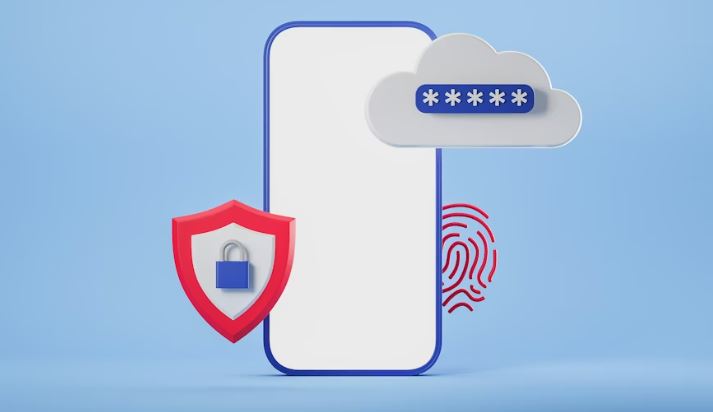
Passkeys are one of the biggest innovations driving the passwordless movement. Unlike passwords, passkeys can’t be guessed, reused, or leaked in a data breach. Instead, they rely on cryptographic key pairs stored securely on a user’s device. When logging in, the device verifies the user through biometrics or a PIN—without ever transmitting sensitive information.
This transforms the way authentication works. Passkeys eliminate phishing risks because there’s nothing for users to type or accidentally reveal. They also work across devices through secure cloud syncing, making them both powerful and extremely convenient.
As tech giants like Apple, Google, and Microsoft adopt passkeys, the shift is accelerating globally. Industry experts already predict that within a few years, passkeys may replace passwords entirely for the majority of consumer accounts.
Benefits of Going Passwordless for Users and Organizations
Switching to passwordless authentication offers significant advantages for both users and organizations. For individual users, the experience becomes simpler, faster, and safer. No more juggling dozens of passwords, forgetting credentials, or being locked out of accounts due to minor typos. Passwordless logins reduce friction and allow users to focus on tasks instead of security hurdles.
Organizations gain even more from this shift. Data breaches caused by stolen passwords are costly, both financially and reputationally. By removing passwords from the equation, companies drastically reduce their exposure to attacks like phishing, credential stuffing, and brute-force attempts. It also reduces the burden on IT teams for password resets and related support. In essence, passwordless systems strengthen security while improving operational efficiency.
Column View: Passwordless Benefits
| For Users | For Organizations |
| Faster logins | Lower risk of breaches |
| No password fatigue | Reduced IT support costs |
| Fewer phishing threats | Stronger regulatory compliance |
| Cross-device convenience | Improved user trust |
| Secure biometric options | Streamlined authentication workflows |
Challenges in Adopting Passwordless Security
Despite the clear benefits, transitioning to a fully passwordless environment is not without challenges. One major hurdle is compatibility. Legacy systems and certain web applications still rely heavily on passwords, requiring hybrid solutions for the foreseeable future. Organizations must plan for phased implementation to ensure smooth transitions.
User education is another factor. While passwordless methods are easier in the long run, people are used to typing passwords. Adapting to biometrics, security keys, or passkeys can initially cause confusion or hesitation. Businesses need clear instructions, training, and robust support to encourage adoption.
Other considerations include device dependency and backup solutions. Users must secure their devices, and organizations must plan for recovery scenarios if a device is lost or stolen. Despite these challenges, industry adoption is growing rapidly, and solutions are becoming increasingly seamless.
Real-World Examples of Passwordless Implementation
Several leading technology companies and financial institutions have already embraced passwordless authentication. For instance:
- Microsoft has implemented passwordless logins for enterprise accounts using Windows Hello, FIDO2 security keys, and phone-based verification.
- Apple supports passkeys across iOS and macOS devices, allowing users to log into apps and websites without passwords.
- Google is rolling out passkeys across its ecosystem, including Gmail and Google Workspace, simplifying secure logins for billions of users.
These examples demonstrate that passwordless authentication is not theoretical—it’s practical, scalable, and increasingly expected by users in a modern digital ecosystem.
The Future of Security Without Passwords
The trend toward passwordless authentication reflects a larger shift in cybersecurity philosophy. Instead of relying on something you know (passwords), security is moving toward something you have (security keys, devices) or something you are (biometrics). This reduces the human element of error, the weakest link in traditional authentication, and makes digital security stronger overall.
Industry analysts predict that by 2030, a significant portion of online accounts will no longer require traditional passwords. As standards like FIDO2 and passkeys gain traction, companies and users alike will experience smoother, safer digital experiences. For organizations, this is not just a technological upgrade—it’s a strategic move to protect assets, customer trust, and brand reputation.
Conclusion: Why You Can Safely Kiss Your Password Goodbye
Passwords have served us well for decades, but their time is coming to an end. Rising cyber threats, combined with evolving authentication technology, make traditional passwords obsolete. Passwordless systems—using biometrics, passkeys, and secure devices—offer a far stronger, user-friendly alternative that minimizes risk and simplifies digital life.
The shift is already happening, and early adopters are seeing the benefits: fewer breaches, less frustration, and better overall security. As technology continues to advance, the day when passwords are optional, or even unnecessary, is rapidly approaching. In this new era, it’s safe to say: we can confidently kiss our passwords goodbye.
FAQs (Intent-Driven, Click-Boosting)
1. Why are passwords becoming outdated in 2025?
Passwords are easy to hack, reused across sites, and frequently exposed in data breaches. New technologies like passkeys and biometrics offer far stronger protection.
2. What is passwordless authentication?
Passwordless authentication replaces passwords with secure methods like biometrics, hardware keys, or passkeys stored on your device.
3. Are passkeys safer than passwords?
Yes. Passkeys use encrypted key pairs and cannot be guessed, reused, or phished—making them significantly more secure.
4. Do I need special devices for passwordless login?
Most modern smartphones and laptops already support biometrics and passkeys, so no extra devices are needed for typical use.
5. Can passwordless logins be hacked?
While no system is 100% hack-proof, passwordless methods greatly reduce risks from phishing, credential stuffing, and stolen passwords.
6. Are companies already using passwordless authentication?
Yes—Apple, Google, Microsoft, banks, and major enterprises are rapidly adopting passwordless systems.
7. Will passwords disappear completely?
Passwords won’t vanish overnight, but by 2030 most major platforms are expected to rely primarily on passkeys and device-based authentication.
For more quality, informative content, visit writewhiz