How Brookfield Residential Adapted During the Early Stages of COVID-19
When COVID-19 began affecting daily life, Brookfield Residential faced the same pressure many companies in the housing sector felt. The company needed to protect employees, reassure homebuyers, and keep essential operations functioning without compromising safety. Early adjustments focused on reducing physical contact, limiting group interactions, and updating internal procedures in line with public health recommendations. These steps were important for maintaining stability while addressing the uncertainty of the time.
Brookfield Residential also restructured how teams worked. Many administrative roles shifted toward remote formats, while site-based staff adopted modified schedules and guided safety practices. These changes allowed the company to continue supporting homeowners and future buyers while keeping health standards in place. Although the transition brought challenges, the company prioritized communication and coordinated decision-making to keep operations consistent across different regions.
Safety Measures Introduced Across Worksites and Offices
The company placed strong emphasis on safety protocols in work environments. Construction sites required ongoing activity, so Brookfield Residential introduced measures to support both workers and contractors. These measures centered on reduced crowding, sanitization routines, and clear health expectations for everyone entering a site. The adjustments helped construction progress while respecting local requirements.
Office spaces underwent changes as well. Staff who needed to work onsite followed guidelines meant to limit unnecessary interaction. Meeting rooms, shared desks, and common areas were used differently to minimize risk. These changes were not meant to create barriers but to ensure that people felt secure while continuing their responsibilities.
Support for Homebuyers During COVID-19 Regulations
During the height of restrictions, many homebuyers were uncertain about how to move forward with purchases, walkthroughs, and design selections. Brookfield Residential responded by adjusting communication and customer-service processes. Teams provided clearer scheduling procedures, shared transparent updates about timelines, and introduced alternative methods for reviewing home options when in-person appointments were limited.
The company also focused on reducing stress for buyers who faced delays or procedural changes. Purchase timelines were discussed with more flexibility, and staff prioritized timely updates. These adjustments helped customers feel informed at a time when many aspects of daily life were unpredictable.
Digital Tools Adopted to Support Customer Interaction
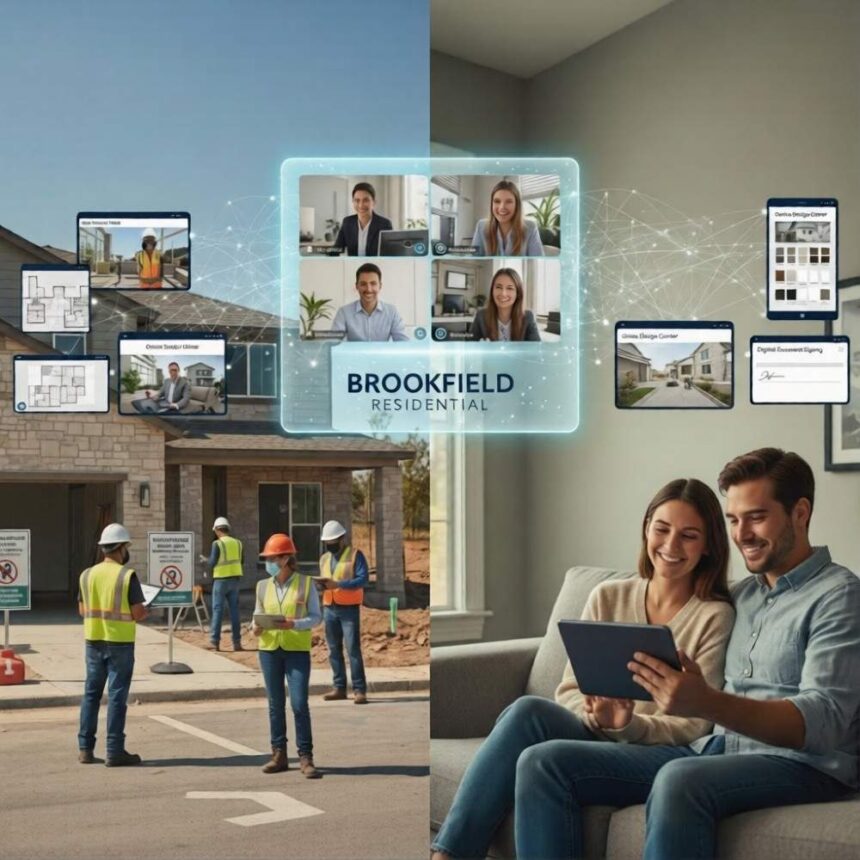
Brookfield Residential expanded its use of digital tools to maintain communication with customers without relying solely on in-person meetings. These tools allowed buyers to review floor plans, community details, and design features without leaving home. While not a complete replacement for physical tours, online options provided a practical alternative during restrictions.
To present this clearly, here is a column-based breakdown of common digital adjustments introduced throughout the housing industry at the time, including those relevant to Brookfield Residential:
| Digital Tool | Purpose During COVID-19 |
| Virtual Tours | Allowed customers to view homes and layouts remotely. |
| Online Design Centers | Helped buyers choose finishes and materials without visiting a showroom. |
| Remote Appointments | Enabled staff to assist clients through video or phone consultations. |
| Digital Document Signing | Reduced in-person paperwork and simplified transaction steps. |
These additions supported both new customers and homeowners by maintaining accessibility while respecting distancing guidelines.
Operational Challenges Faced During the Pandemic
Like many companies in construction and real estate, Brookfield Residential encountered supply chain challenges. Materials that were once easily available experienced delays, affecting schedules across various projects. To manage this, the company prioritized transparent communication with homeowners and coordinated planning strategies to reduce disruptions where possible.
Another challenge involved labor availability. Worksites depended on teams arriving consistently, yet health guidelines required periods of absence for anyone showing symptoms. The company adjusted by staggering schedules and strengthening coordination with contractors. While these steps didn’t eliminate delays entirely, they helped provide structure during a period of constant change.
How Brookfield Residential Supported Employee Well-Being
As the pandemic continued, Brookfield Residential expanded its focus on employee well-being. Staff members were dealing with a mix of professional pressure and personal uncertainty, so the company emphasized clear communication and flexible planning. Teams received updates on policy changes, schedules, and safety expectations in ways that reduced confusion and helped everyone stay aligned.
Brookfield Residential also encouraged open conversation between managers and employees. This approach allowed individuals to express concerns and request reasonable adjustments when personal situations required extra consideration. Although policies varied depending on regional regulations, the overall aim remained the same: help people work safely and maintain a balanced environment despite constant disruptions.
Collaboration With Industry Partners During COVID-19
Construction and real estate companies depend heavily on industry partnerships, and COVID-19 placed strain on every link in the chain. Brookfield Residential worked closely with suppliers, contractors, and service partners to keep projects progressing under changing conditions. Communication played a major role. Teams shared updates on material availability, site schedules, and workflow adjustments so that disruptions were handled collectively rather than in isolation.
These coordinated efforts helped the company stay responsive. Instead of waiting for issues to escalate, Brookfield Residential strengthened its relationships with vendors and trade partners by addressing challenges early. This level of cooperation proved essential during restrictions, as it minimized delays where possible and helped maintain predictable progress for homeowners.
Homebuyer Expectations and Industry Shifts During the Pandemic
COVID-19 reshaped what many buyers expected from homebuilders. With people spending more time at home, interest grew in functional spaces, reliable communication, and flexible service options. Brookfield Residential took note of these shifts by enhancing support channels and making it easier for customers to find accurate information.
The company also recognized that buyers needed clearer guidance on timelines, inspections, and move-in dates. Instead of relying solely on standard procedures, teams provided more frequent updates and set realistic expectations during each stage. These adjustments supported customers who were navigating a complicated housing market during an unpredictable period.
Broader Lessons Brookfield Residential Carried Forward
COVID-19 highlighted the value of adaptability in the housing industry. Brookfield Residential learned the importance of operational flexibility, whether through staggered construction schedules, expanded digital tools, or revised service processes. These adjustments did more than respond to an emergency—they created long-term efficiencies that continued to benefit both staff and customers even after restrictions eased.
Another lasting lesson involved communication. The pandemic proved that consistent, transparent communication is essential during high-pressure situations. Brookfield Residential strengthened internal collaboration and customer-facing updates, setting a foundation for more resilient communication practices in the future.
Conclusion: How Brookfield Residential Navigated COVID-19 With Practical Solutions
Brookfield Residential approached COVID-19 with a focus on safety, continuity, and responsibility. By adjusting operations, expanding digital tools, supporting employees, and keeping customers informed, the company managed to maintain progress during a time filled with uncertainty. The experience highlighted the importance of steady planning, strong partnerships, and clear communication—principles that continue to influence how the company operates today.
The pandemic created challenges across the housing industry, yet Brookfield Residential’s response demonstrated that thoughtful action and consistent standards can help maintain stability even under pressure. These efforts not only supported homeowners and employees during a critical moment but also shaped more resilient practices for the years that followed.
For more quality, informative content, visit writewhiz